“a unique Welsh surrealist”
Judy Ling Wong CBE
AS Craig was born in 1917 in Coatbridge, Scotland and left school at fourteen years of age. His working life was varied and included periods as a labourer, Glasgow tram driver, meter reader and factory worker. From the age of 50, ill health prevented him from working.
It was in 1968, at the age of 52 and 16 years after leaving Scotland for Caerffili, south Wales, that AS Craig began to study the work of artist-painters and to experiment with oil painting and his subject matter. He taught himself to draw and paint, and cited three artist-painters in particular as formative influences on his work: Rene Magritte, Salvador Dali and Giorgio di Chirico. Those influences are evident in his paintings but the themes, images and composition are uniquely his.
His first painting was completed in 1970. He did not paint after 1980 and died in 1985, aged 69. The paintings of the 1970-73 period were completed whilst he was living in Caerffili. All the others were completed whilst he was living in Cefn Hengoed, the place of his death.
In the 1970s AS Craig exhibited at:
- Woodstock Gallery, London
- Oriel (Welsh Arts Council), Cardiff
- Coexistence Gallery, Bath
- Galerie Convergence, Nantes
“Sharp social commentary illustrated through a deeply religious and psychological symbolism”
Lyall Watson, Woodstock Gallery, London, 1979

This self-portrait was painted in 1980 at the end of AS Craig’s painting career and has been in the family’s posession since then. It is entitled ‘Winter’, appropriate for a man in his mid-60s, and perhaps this title is also meant to convey his mood at the time.
On the trail of AS Craig
by Graham Craig, grandson
In 2015, my wife and I took the opportunity of a recent trip to Scotland to trace the early life of my grandfather AS Craig, from his birth in 1917 to moving to south Wales in 1952. He died when I was 4 years old so I have no memory of the man; my memory of the art is limited to coming across the canvases in the attic at various times during my childhood.
1917: Born in Coatbridge
Knowing that AS Craig was born in Coatbridge, and using the marriage certificate below to identify his father as David Craig, I searched online and found five men by that name living in Coatbridge in 1920:
- Shop owner, 70 Dundyvan Road
- Butcher, 77 Dundyvan Road
- Furnaceman, House 10, Summerlee Street, West Row
- Fireman, House 15H, Sunnyside Road
- Insurance agent, 67B Dunbeth Road
Using my limited
knowledge of my grandfather’s upbringing, the most likely fit seemed to
be the Furnaceman, particularly as the same David Craig is recorded
living at the same address five years later as a Labourer. So we caught
the train to Coatbridge Sunnyside station, tramped to Summerlee Street
and found…
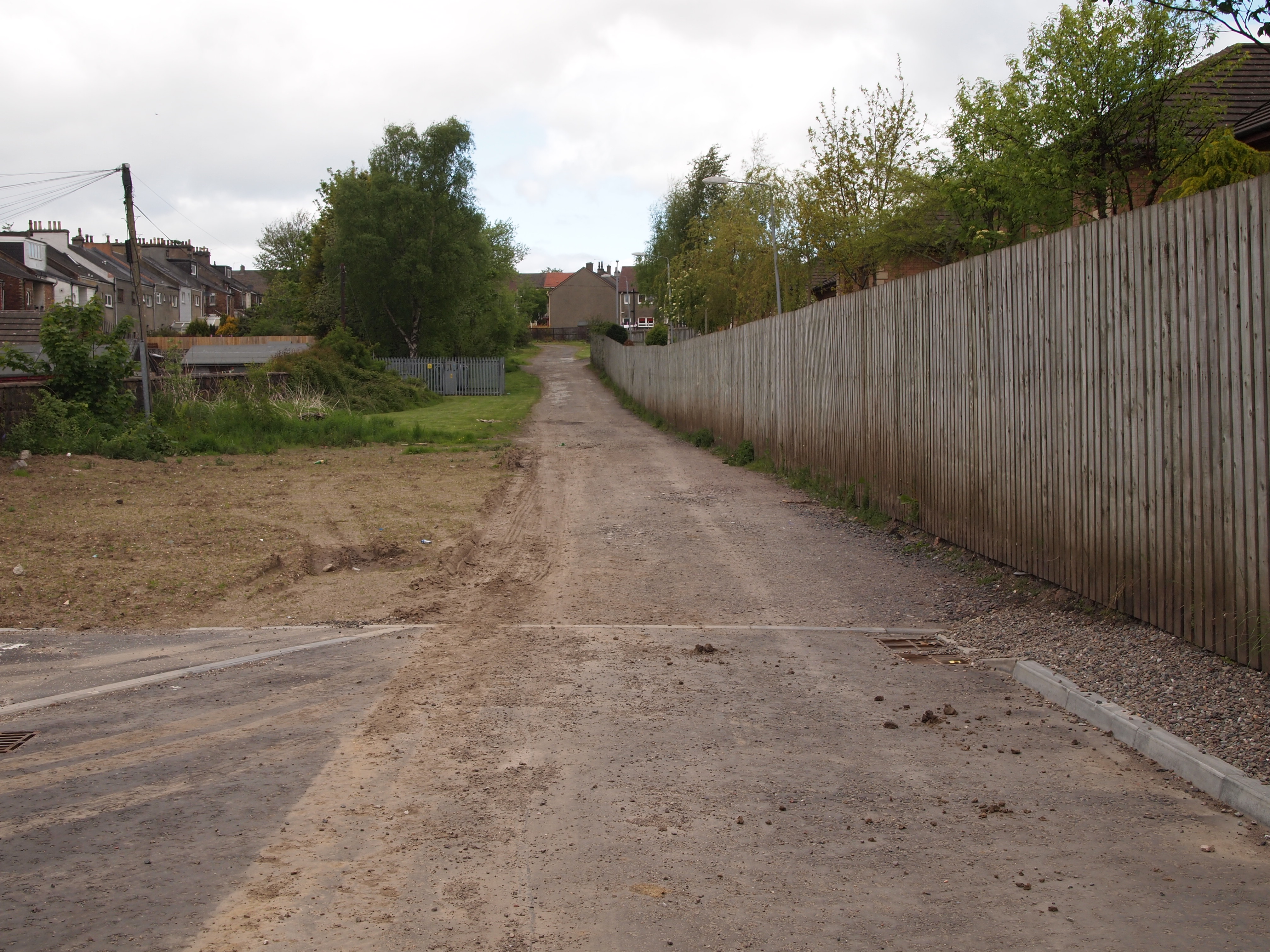
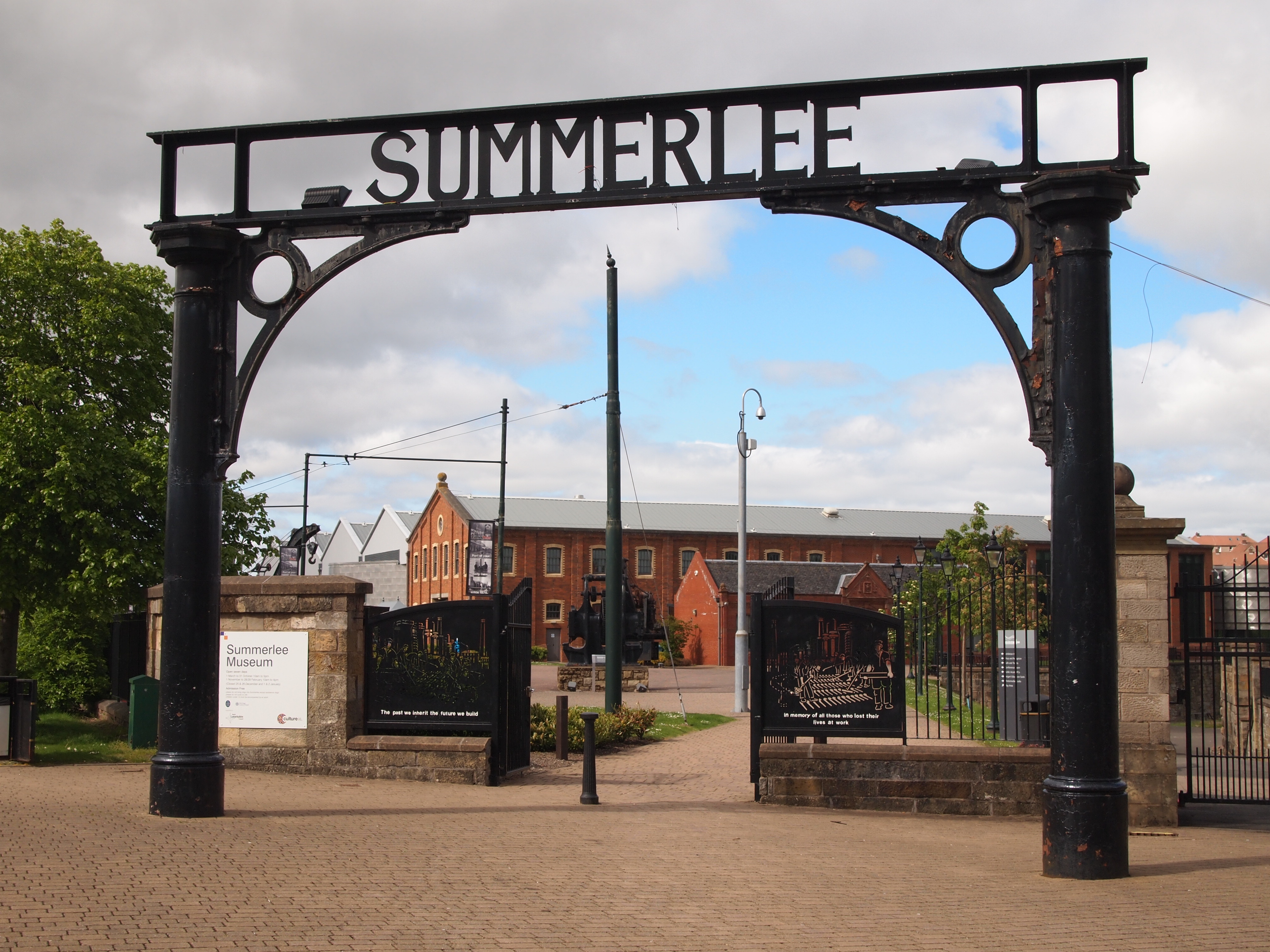
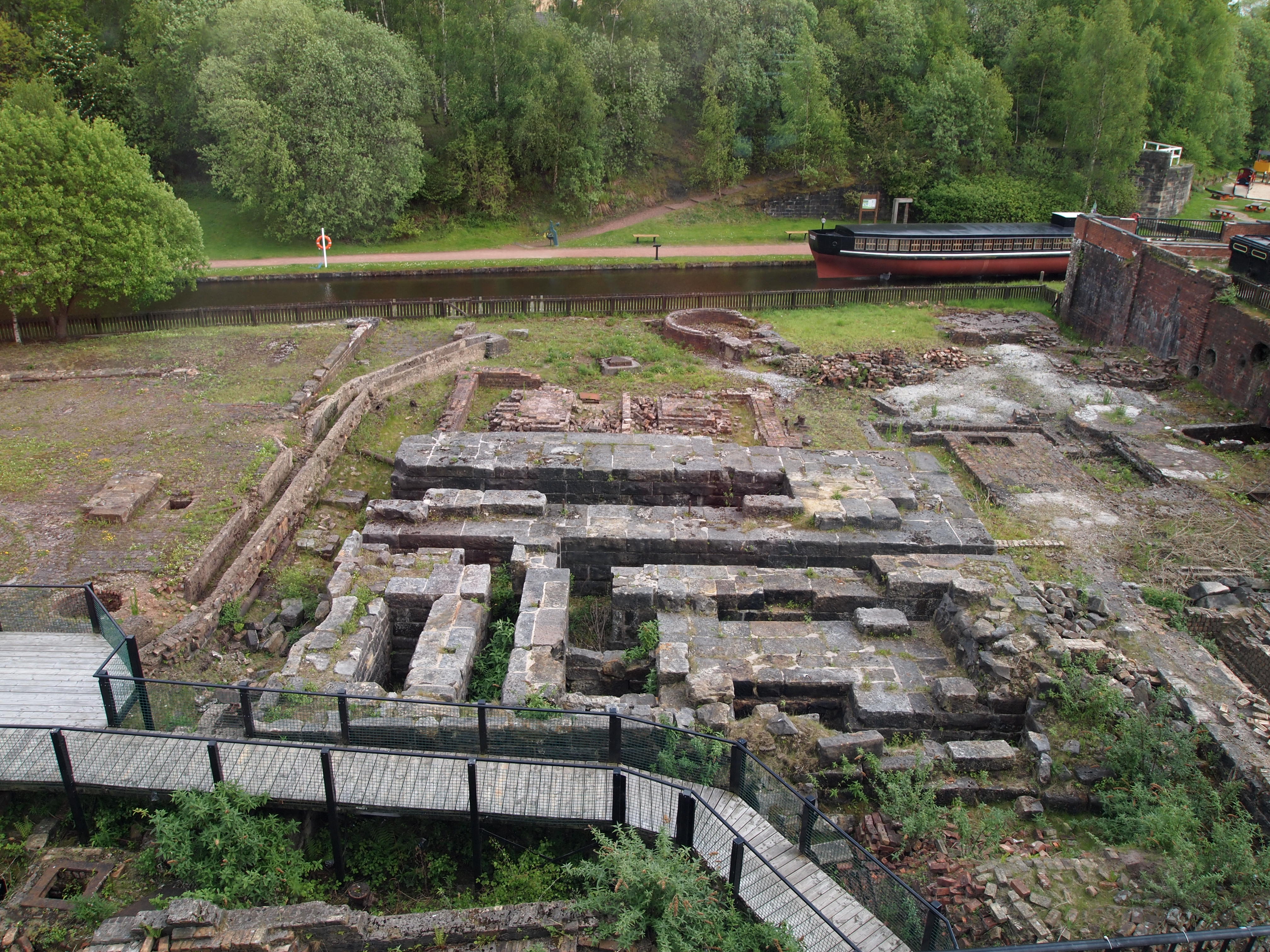
Luckily, just the other
side of that wooden fence is Summerlee Museum of Scottish Industrial
Life. It’s on the site of the Summerlee Ironworks, opened in 1836 and
closed in 1938 – one year after AS Craig married. As the largest
ironworks in the area, we were advised by museum staff that living next
door in Summerlee Street meant that it was highly likely that AS Craig’s
father would have worked here.

1937: Married in Falkirk
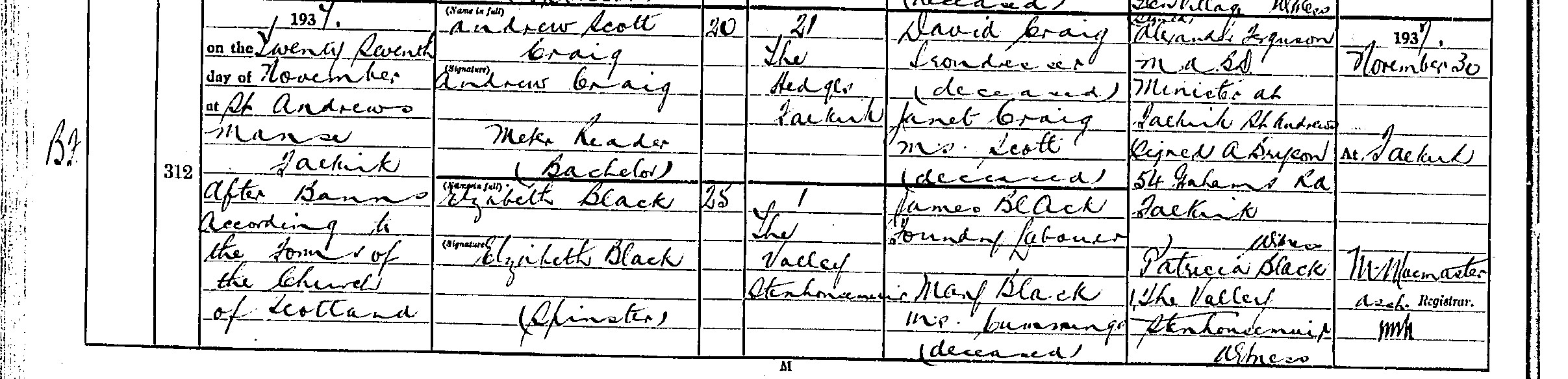
I’d found his marriage
certificate online before travelling to Scotland but when I used Google
Maps to find the wedding location I’d ignored the “Manse” part of the
entry. This meant turning up at St Andrews West church and relying on
the help of a few volunteers to learn that the Manse was in fact a wee
way away down Camelon Road, on a street called Maggie Wood’s Loan.
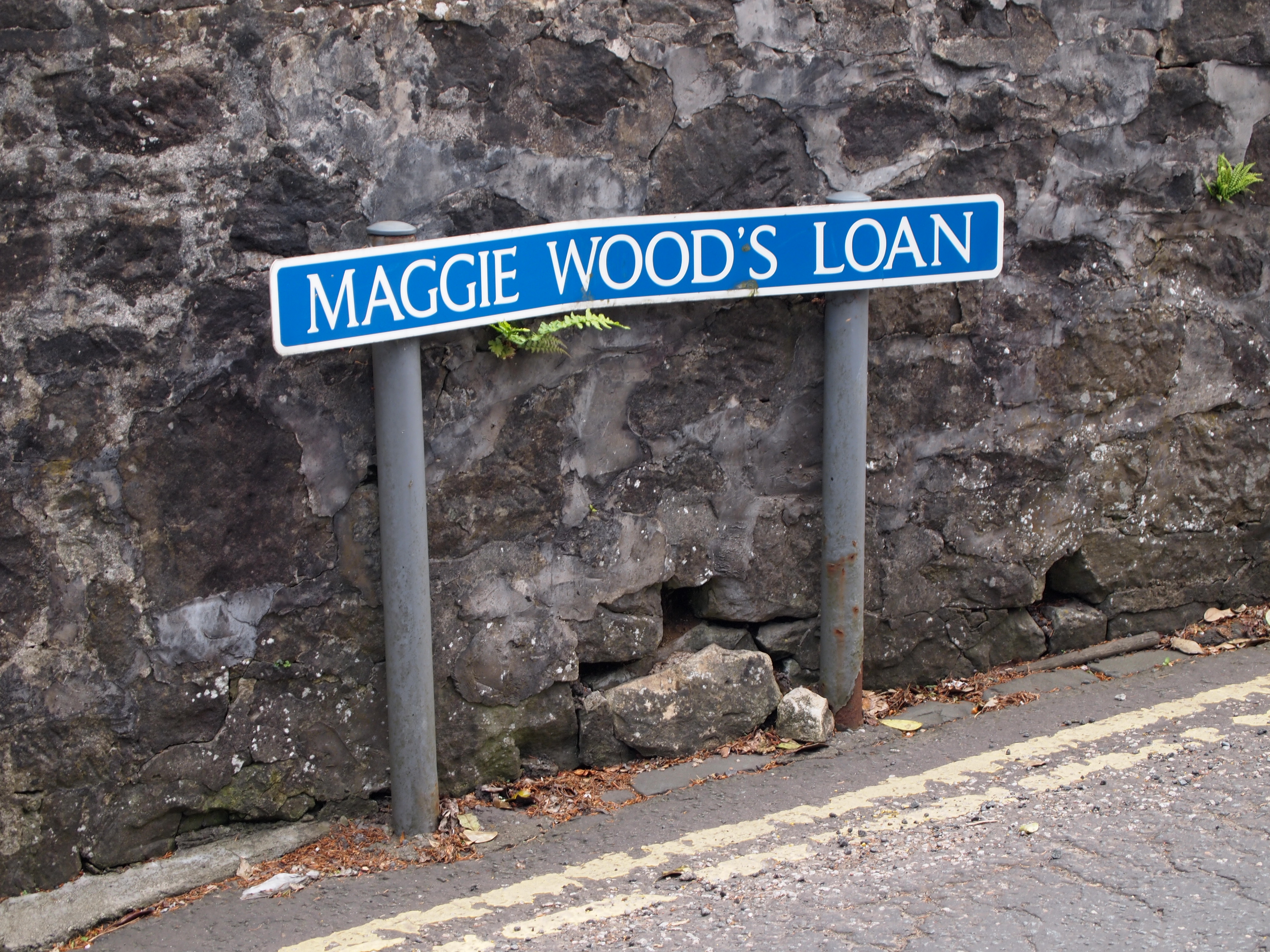
Sadly, what we thought was the Manse (the new-build next door was called Mansefield) turns out not to be; we needed to walk on a few more metres to find the genuine article.
We were far more lucky
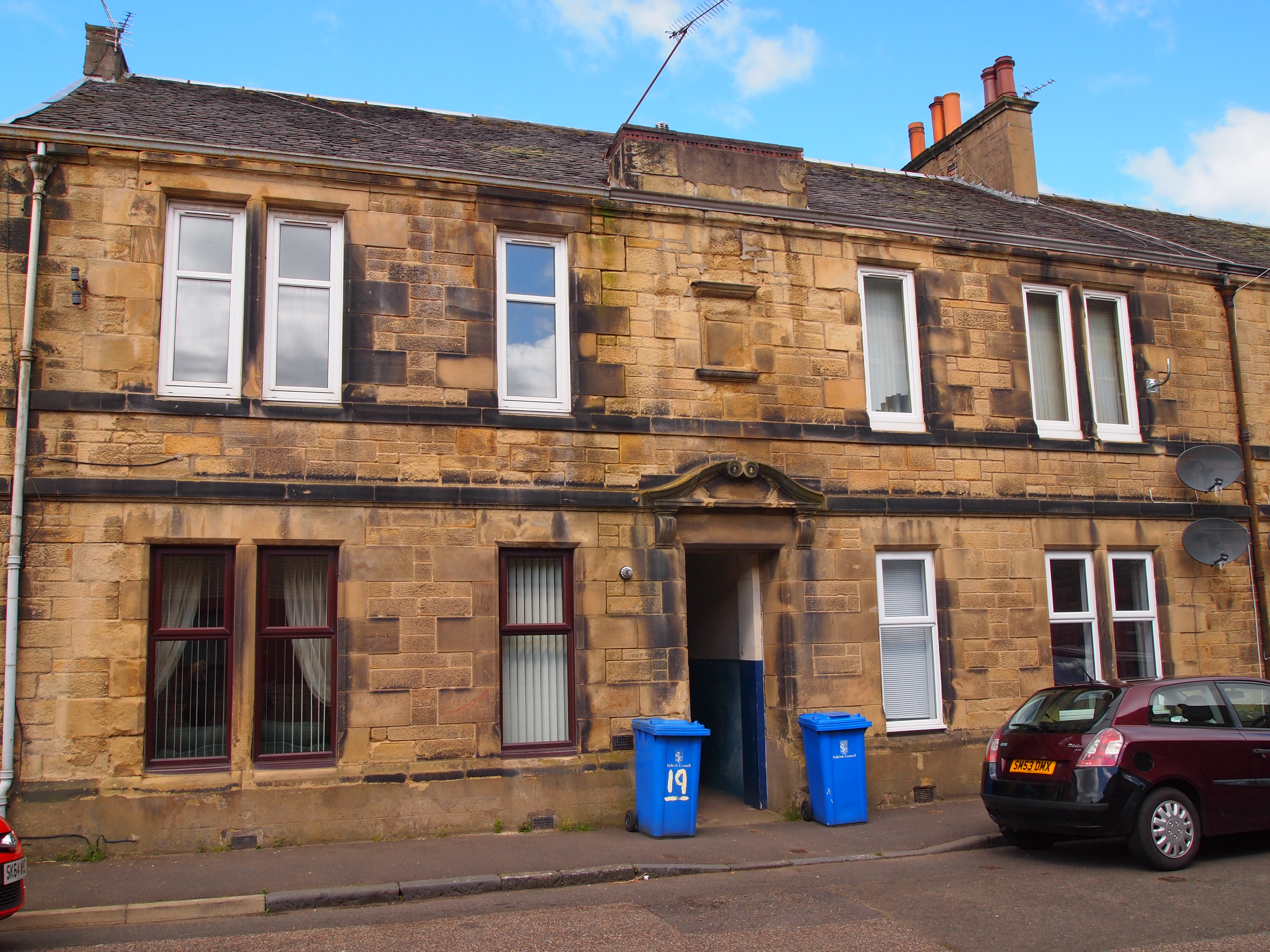
with finding the place AS Craig was living in at the time of his
marriage, which the certificate had given as “21, The Hedges, Falkirk”.
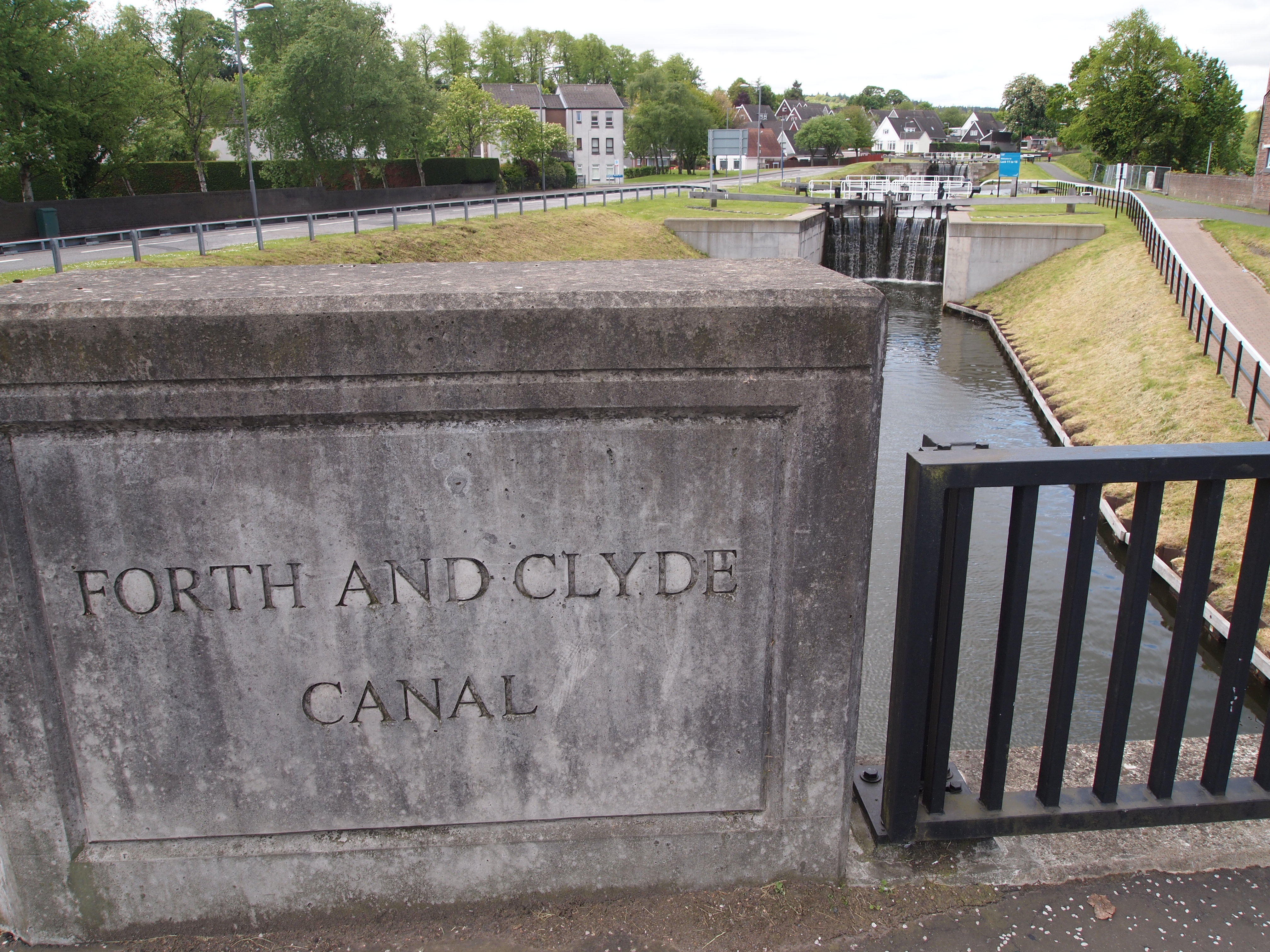
Walking from the Manse to The Hedges meant crossing the Forth and Clyde
canal.
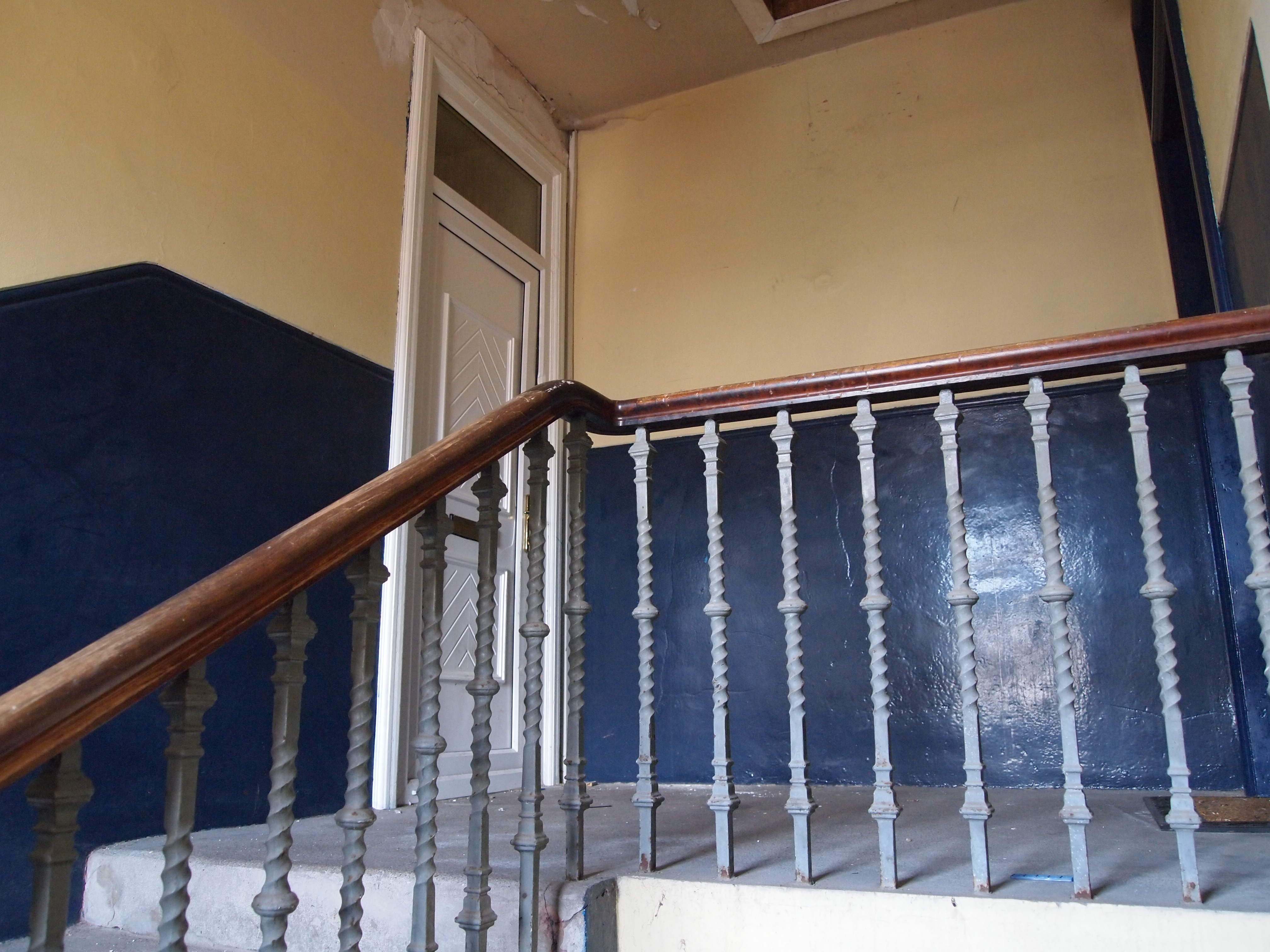
The Hedges was still
pretty much intact and we found Number 21 on the second floor of a
building towards the end of the street, just before a row of new-builds.


1945: Birth of first son, Stenhousemuir
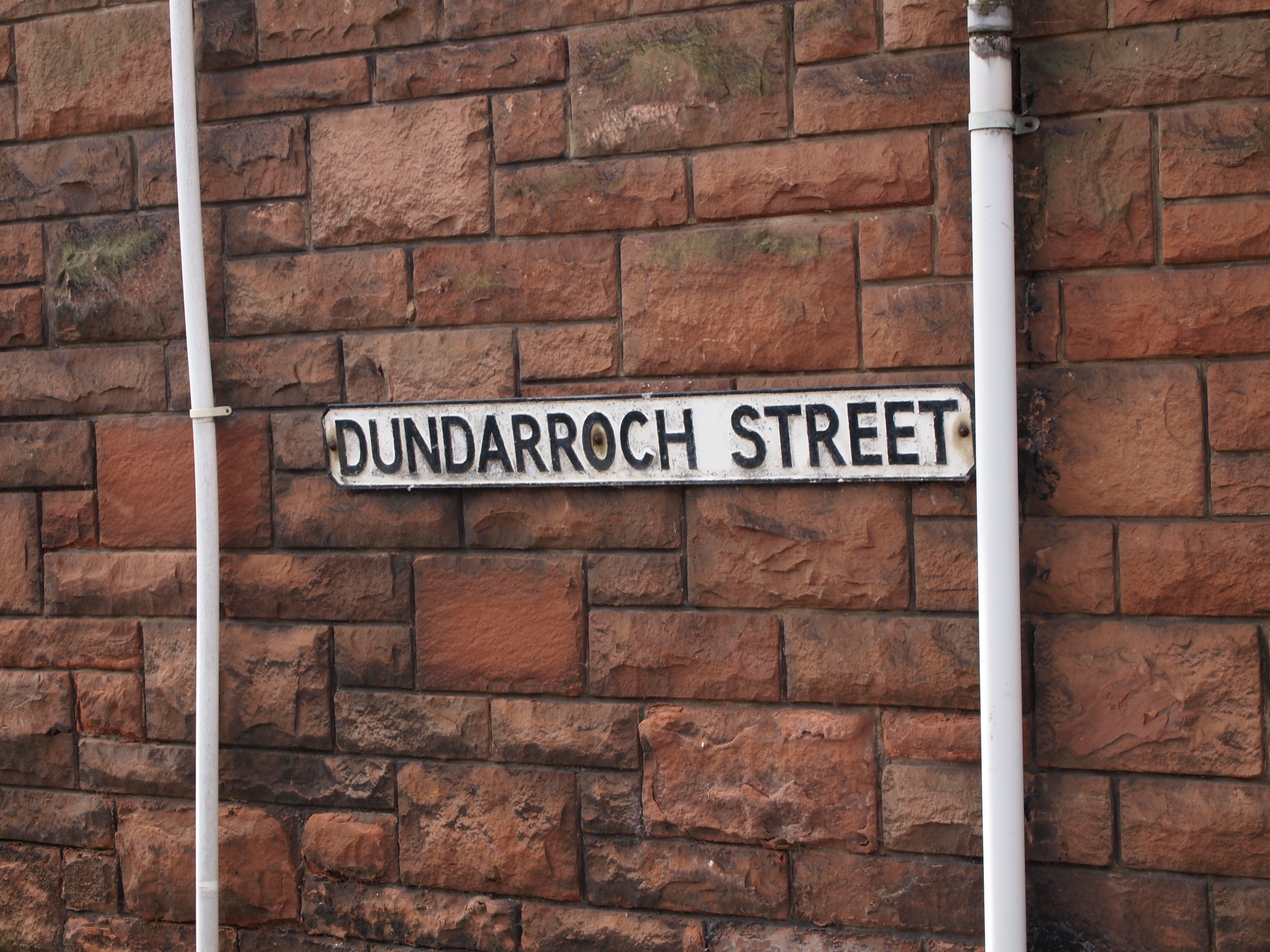
Dad had given me the name of the street in Stenhousemuir that he grew up before the family moved to south Wales when he was a boy. There was no problem tracking down the street…but the house wasn’t so easy (and Dad couldn’t remember the number anyway!).
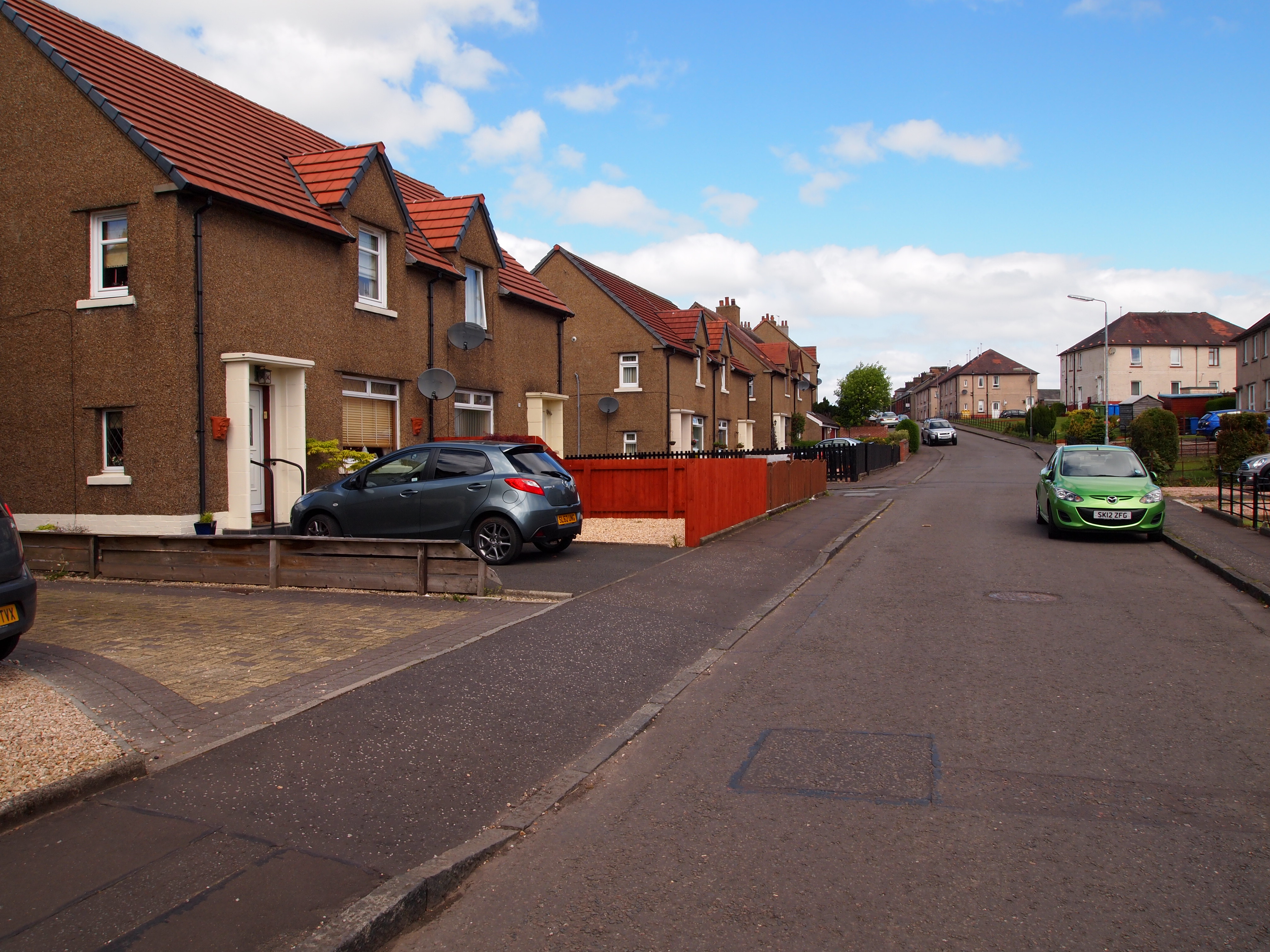
It was a really interesting day traipsing across the Scottish industrial belt. Thanks to the Summerlee Museum I got a feel for the sort of environment that my grandfather was born into and can now see more of that coming through in his paintings, especially those that depict the working class. And thanks to his accommodation at “The Hedges” still being there I felt a bit closer to the man I can’t remember.
Judy Ling Wong CBE
Judy Ling Wong CBE is a painter, poet and environmental activist. She was born in Hong Kong in 1949 and became a professional Chinese traditional painter aged 12. She was co-director of the Woodstock Gallery, London where AS Craig had multiple exhibitions in the 1970s, and now lives in Llanberis, Gwynedd. Here she explains why his work appeals to her.
I am proud to have known AS Craig, and to own a couple of his haunting paintings, which are always a mixture of humour and seriousness. AS Craig is a unique Welsh surrealist. Across his paintings, there is a highly developed symbolic vocabulary that speaks eloquently to both the unconscious mind and the intellect.
There are always elements of ordinary life, of children sitting on walls, of a teenager playfully doing a handstand, while the rituals of sacrifice and death carry on.
His work always points to the daily sacrifice of the ordinary person at different stages of life. In The Fat One, for example, a middle-aged businessman is elevated, by placing him stripped, but still modest, onto the cross. The “uniform” of his position, are at last, discarded in death, neatly set out. In this painting, 6 coffins stand, as if those who occupy them are also upright, just like the single person on the cross with his coffin lying in wait for his display to finish so he can join the others.
The landscape is always plain, highly simplified and somber, with nothing to distract – hence the power of the few intensely present elements of life and death.
 AS Craig